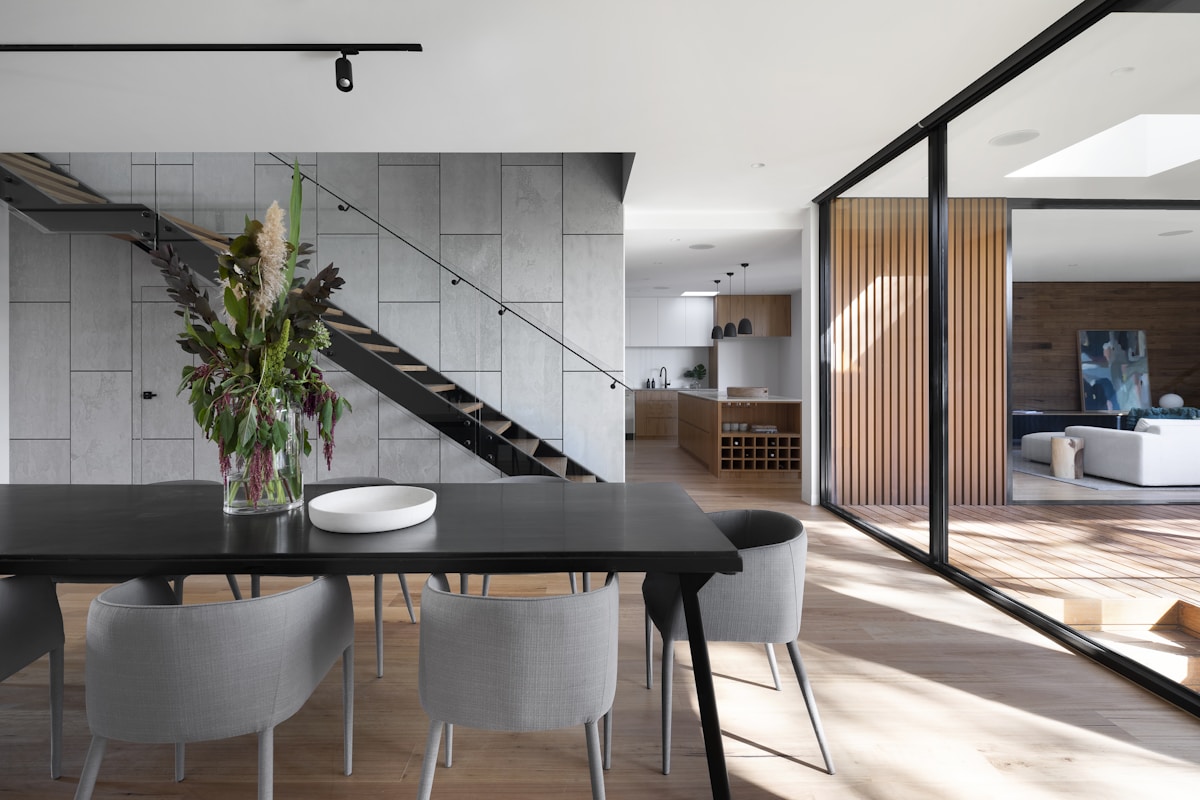
Your entryway is the first thing you see when you come home and the last thing you see when you leave. A well-organized entry prevents clutter from spreading through your home and makes coming and going much easier.
This guide offers practical solutions for creating a functional entryway, even in small spaces.
Why Your Entryway Matters
An organized entryway serves several important functions:
- Contains everyday items (keys, bags, shoes, coats) in one spot
- Prevents clutter from migrating into other rooms
- Makes leaving the house easier—everything you need is right there
- Creates a welcoming first impression for guests
- Provides a transition zone between outside and inside
Without a proper system, your entryway becomes a dumping ground and those items end up scattered throughout your home.
Essential Entryway Elements
Every functional entryway needs these key components:
1. Hooks for Hanging
- Coats, jackets, and bags
- Dog leads
- Umbrellas
- Scarves and hats in winter
Install hooks at different heights if you have children. Wall-mounted hooks or a coat rack both work—choose based on your space.
2. Shoe Storage
- Shoe rack: Open storage for everyday shoes
- Basket or bin: Simple and hides shoes from view
- Bench with storage: Doubles as seating and shoe storage
- Cabinet: Conceals shoes completely
Whatever you choose, keep it near the door so shoes don't track through the house.
3. Key Station
- Wall-mounted key hooks
- Small dish or tray on console table
- Key rack with mail slot
One designated spot means you never lose your keys.
4. Surface for Setting Things Down
- Console table
- Shelf
- Small bench
Somewhere to set bags, mail, packages, or your phone while you take off shoes.
5. Seating (If Space Allows)
A bench or chair for putting on and taking off shoes makes life easier, especially for young children or elderly family members.
Setting Up Your Entryway
For a Small Entryway
Every home has some entry point, even if it's just a door. Make the most of limited space:
- Wall hooks: Install directly on wall—takes minimal space
- Slim console table: 12 inches deep still provides surface space
- Wall-mounted shoe cabinet: Narrow but holds many pairs
- Over-door organizer: Hangs on back of door for hats, gloves, etc.
- Floating shelf: Holds keys and small items without taking floor space
For a Medium Entryway
- Coat rack or wall hooks
- Console table with storage baskets underneath
- Shoe rack beside the door
- Mirror above console table
- Small bench if room allows
For a Large Entryway
- Built-in storage or mudroom-style cubbies
- Bench with storage
- Hall tree (coat rack with bench)
- Console table
- Rug to define the space
Organization Systems
One Per Person Approach
Assign each family member their own hook, cubby, or basket. Everyone knows where their items go and is responsible for their own space.
Baskets and Bins
Use labeled containers for different categories:
- One for hats and gloves
- One for dog-walking supplies
- One for sports equipment
- One for reusable shopping bags
Mail Management
Don't let mail pile up in your entryway:
- Small basket or slot for incoming mail
- Recycle bin nearby for junk mail
- Sort mail immediately—recycle, action needed, or file
- Never let it accumulate on surfaces
Daily Entryway Habits
Keep your entryway functional with these simple habits:
- Shoes off at the door: Keeps dirt and outdoor mess contained
- Hang coats immediately: Don't drape them over furniture
- Keys in their spot: Every single time, no exceptions
- Put bags away: Don't leave them on the floor
- Quick evening tidy: 2 minutes to straighten before bed
Seasonal Adjustments
Adapt your entryway as seasons change:
- Winter: More hooks for heavy coats, basket for hats and gloves, boot tray
- Spring/Summer: Store heavy winter items elsewhere, lighter jackets, sunglasses basket
- Autumn: Umbrella stand, rain boots, transition jackets
Dealing with Shoe Clutter
Shoes are often the biggest entryway problem:
- One pair per person: Only everyday shoes stay by the door; the rest go in closets
- Weekly purge: Return extra shoes to proper storage
- Boot tray in winter: Contains wet, muddy footwear
- Closed storage: If seeing shoes bothers you, use a cabinet
Adding Function and Style
Your entryway can be both practical and pleasant:
- Mirror: Check your appearance before leaving, makes space feel larger
- Good lighting: Overhead light plus lamp on console table
- Welcome mat: Catches dirt before it enters your home
- Small plant: Adds life and warmth
- Artwork or photo: Makes the space feel intentional
- Tray or bowl: Corrals keys, coins, sunglasses
But keep it minimal—too many decorations create clutter.
Maintaining Your Entryway
- Daily: 2-minute tidy—hang items, put shoes in rack, clear surface
- Weekly: Sweep or vacuum floor, wipe down surfaces, sort through mail basket
- Monthly: Deep clean floors, wipe down mirror and hooks, declutter any accumulation
- Seasonally: Rotate items, clean and store out-of-season gear
Common Entryway Mistakes
Avoid these pitfalls:
- No designated spot for items—everything ends up on the floor
- Insufficient hooks—coats pile up on furniture
- No shoe storage—shoes scatter throughout the house
- Too much furniture blocking the doorway
- Letting mail accumulate into piles
- Using entryway as general storage for things that belong elsewhere
Final Thoughts
An organized entryway doesn't require a large space or expensive furniture. It requires a designated spot for everything that comes and goes daily, and the habit of using those spots consistently.
Start with the basics—hooks, shoe storage, and a key spot. Add other elements as needed based on your household's specific needs. The goal is a functional space that makes daily life smoother, not a showroom that's too precious to use.